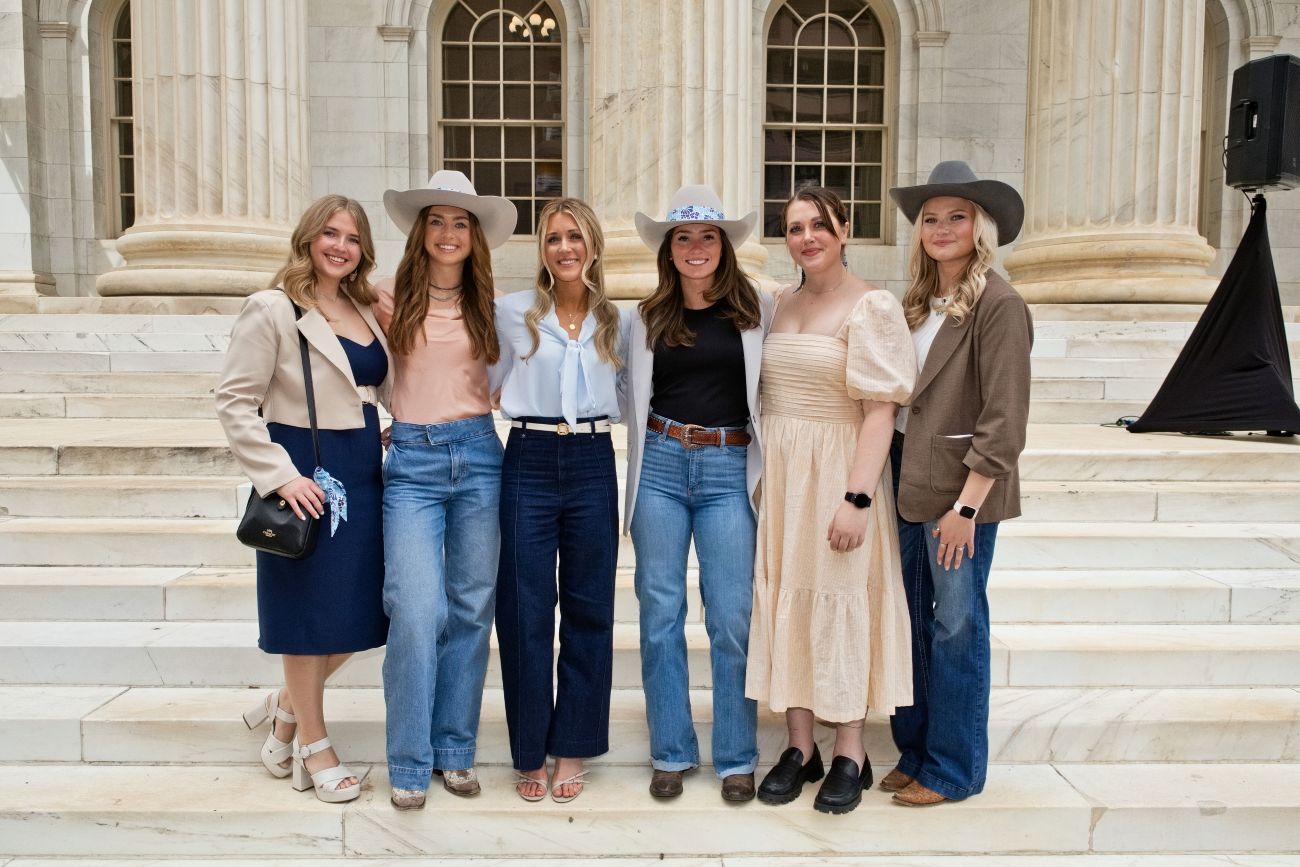

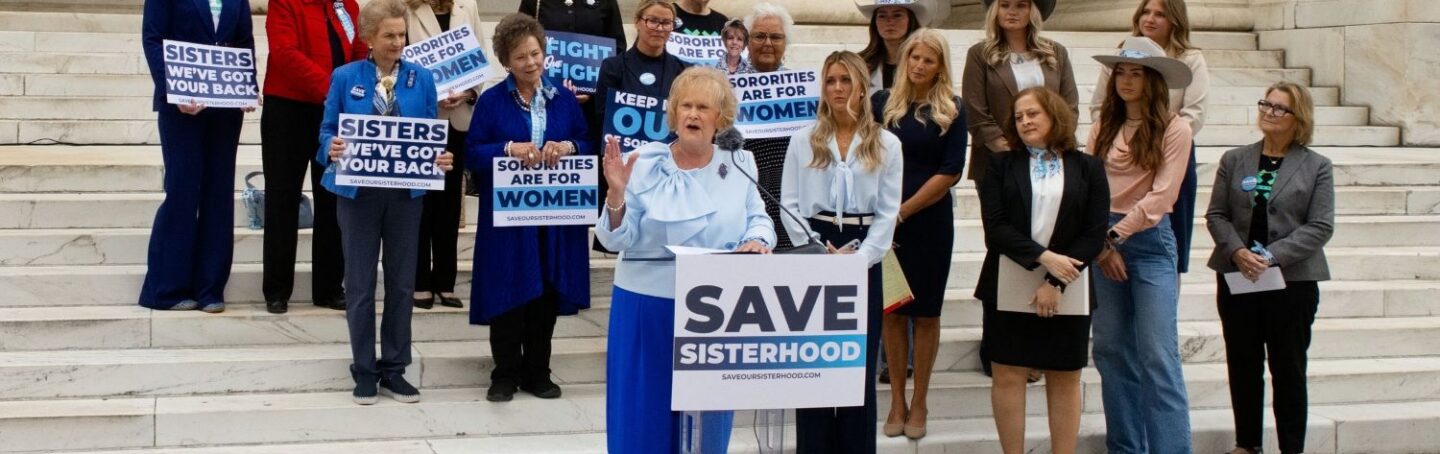
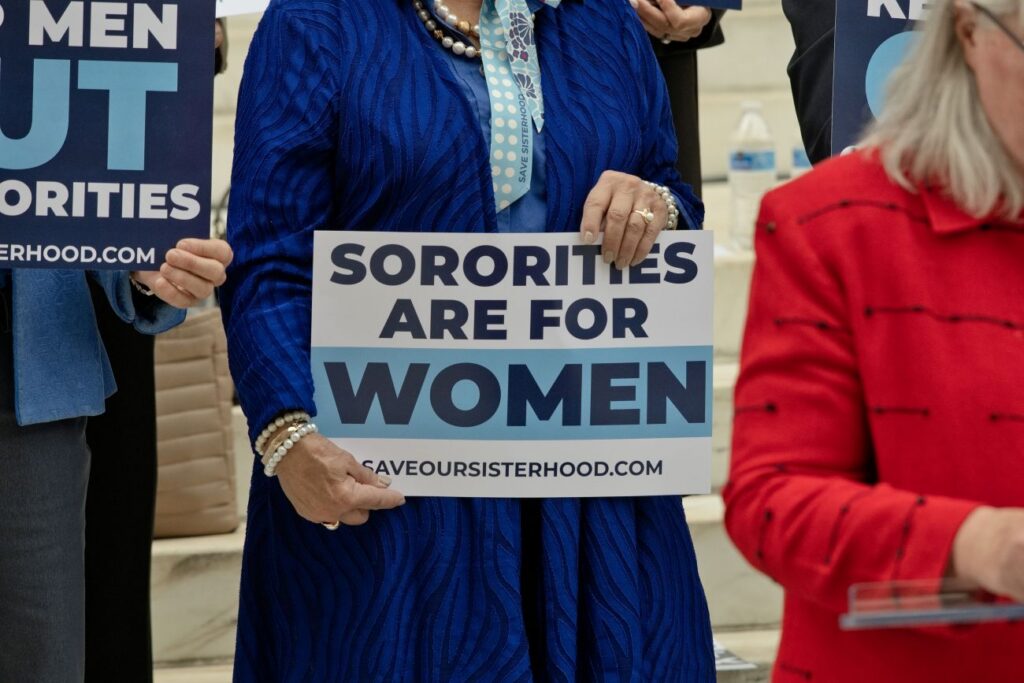
This week, as the U.S. Court of Appeals for the Tenth Circuit in Denver, Colorado, held arguments in Holtmeier v. Kappa Kappa Gamma, a group of women stood on the court steps holding signs with a simple message: “Sororities are for women.”
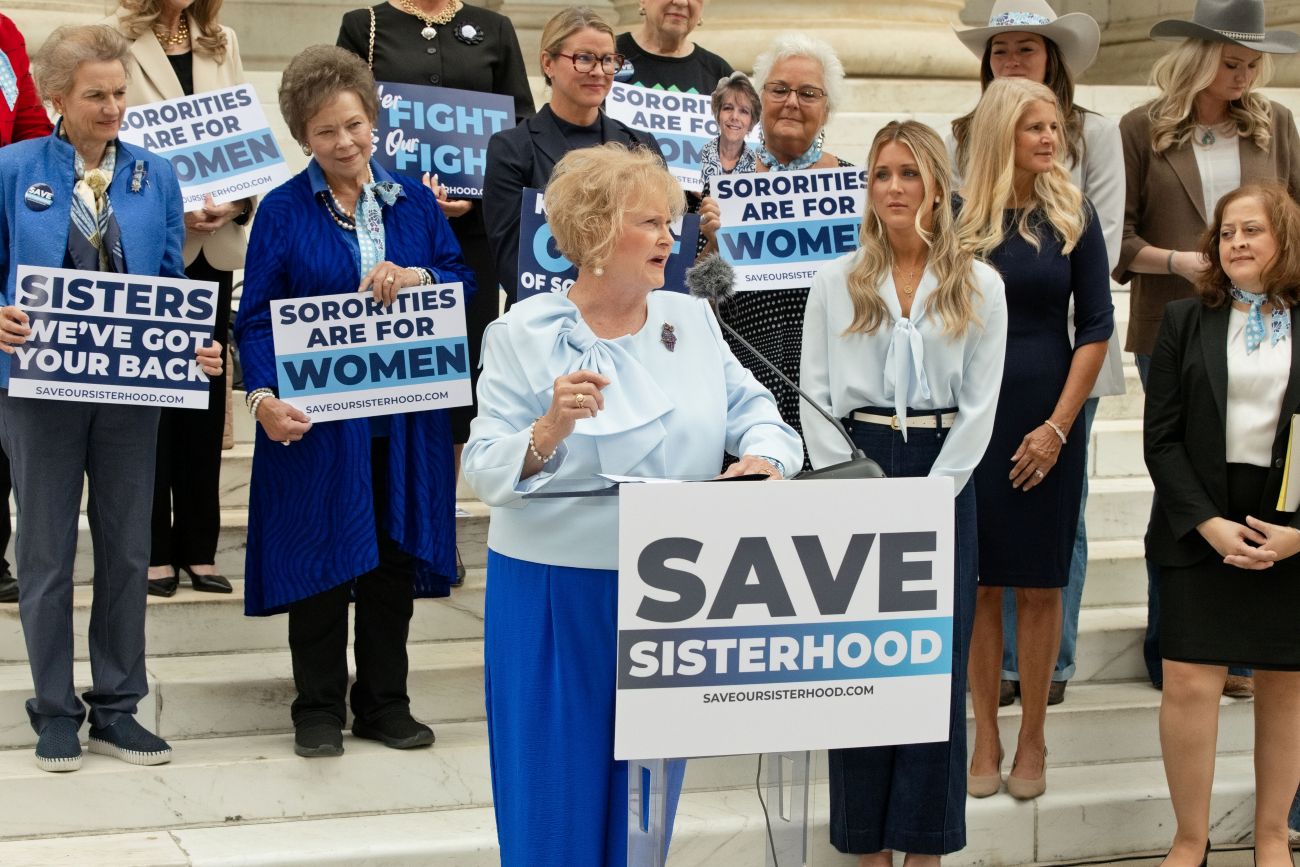
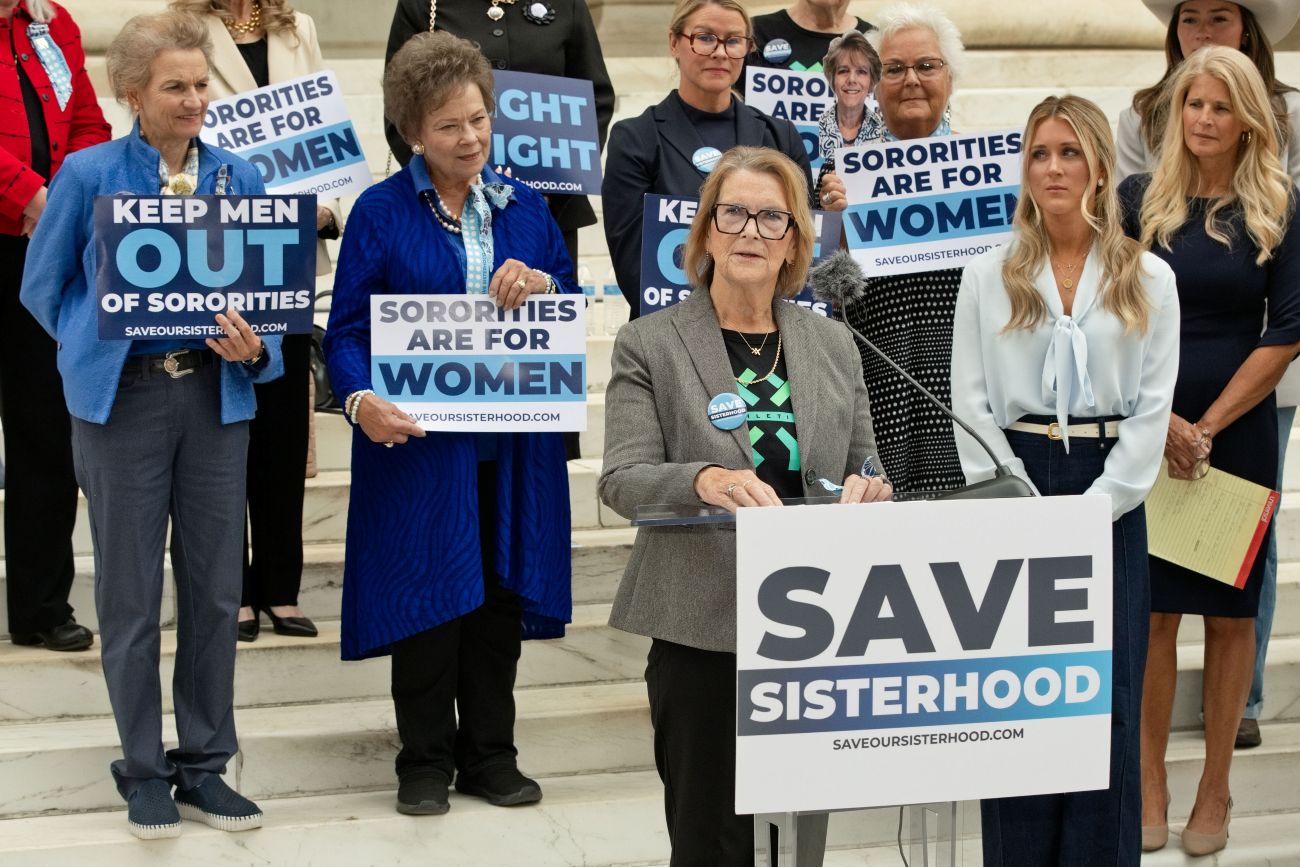
That truth is the heart of this case.
As Kappa Kappa Gamma alumni, we once lived in a sorority house just like the three young women who filed their lawsuit against the sorority’s national organization after they were forced to give up their sisterhood and privacy to a trans-identified male at the University of Wyoming chapter. We could have never imagined being forced to let a man join our sorority and live in our sorority house. But that’s exactly what happened to Allie Coghan, Hannah Holtmeier, and Haley Rutsch.
Kappa was founded with a charter as a “women’s fraternity” to provide opportunities for women—before the word “sorority” even entered mainstream vocabulary. And for over 150 years, the organization knew what a woman was. Now, it’s discarding decades of history in an attempt to redefine the word woman to include “transgender-identifying” males.
The three women represented in this case have been through the court system before, trying to get their sorority to obey its charter, but the courts have said a private organization can determine its members—even if those members don’t fit the membership charter criteria. When Coghan, Holtmeier, and Rutsch appealed to the Tenth Circuit, their ask was simple: let our case proceed, and let our voices be heard.
In an effort to defend their decision, Kappa Kappa Gamma leadership have pretended not to know how to define the very group they were created for: women. This speaks to just how deeply gender ideology has infected the organization of which we have long been a part. Once, “What is a woman?” was a question no one needed to ask or answer, but as organizations try to redefine biology, it’s clear that the courts need to state the obvious and ensure that women’s organizations are female-only.
This is personal for us. We sought out female-only community in a sorority when we began our collegiate careers after seeing firsthand the kindness, courage, and intelligence of Kappa women.
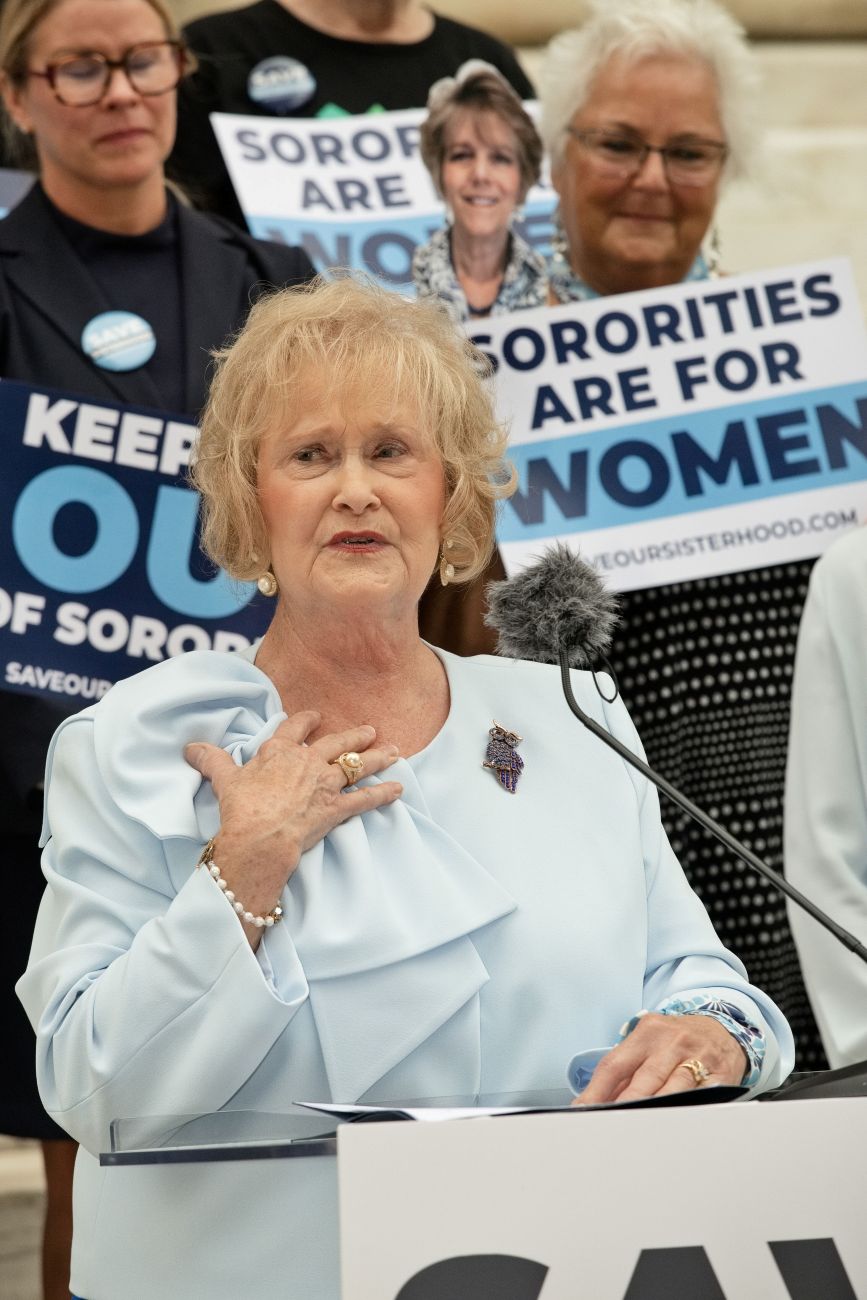
For Cheryl, her Kappa story started with her mother’s legacy as a Kappa. Growing up going to alumni fundraisers and luncheons and seeing the caliber of Kappa women, she knew she wanted to join the ranks of these movers and shakers.
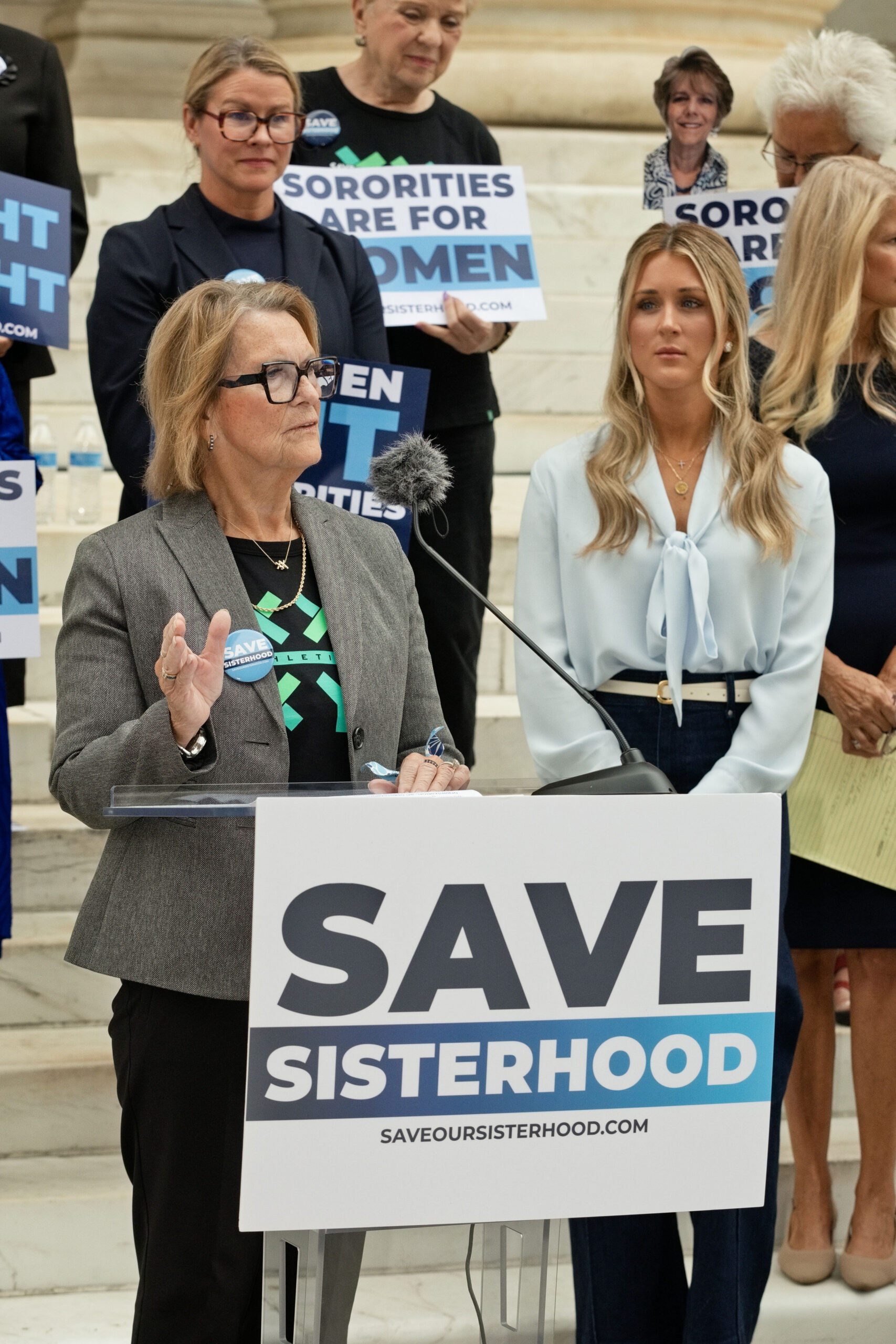
For Patsy, her Kappa story is a legacy for her own daughters who went on to join the sisterhood. After graduating college, Patsy served the organization on the regional and national level, spearheading its one-of-a-kind efforts at the time to raise money for museums, scholarships, and educational programming.
That’s why we couldn’t stay silent when Kappa forced dozens of young women to live with a male in their sorority house, and then kicked out those who dared speak out. We weren’t the only Kappa alumni appalled. The alumni community joined together to write a letter that we sent to chapters across the country about what our sisters in Wyoming were being forced to endure.
Then, national leadership forced us out of the alumni association because we used the alumni email network to inform the members about what was happening.

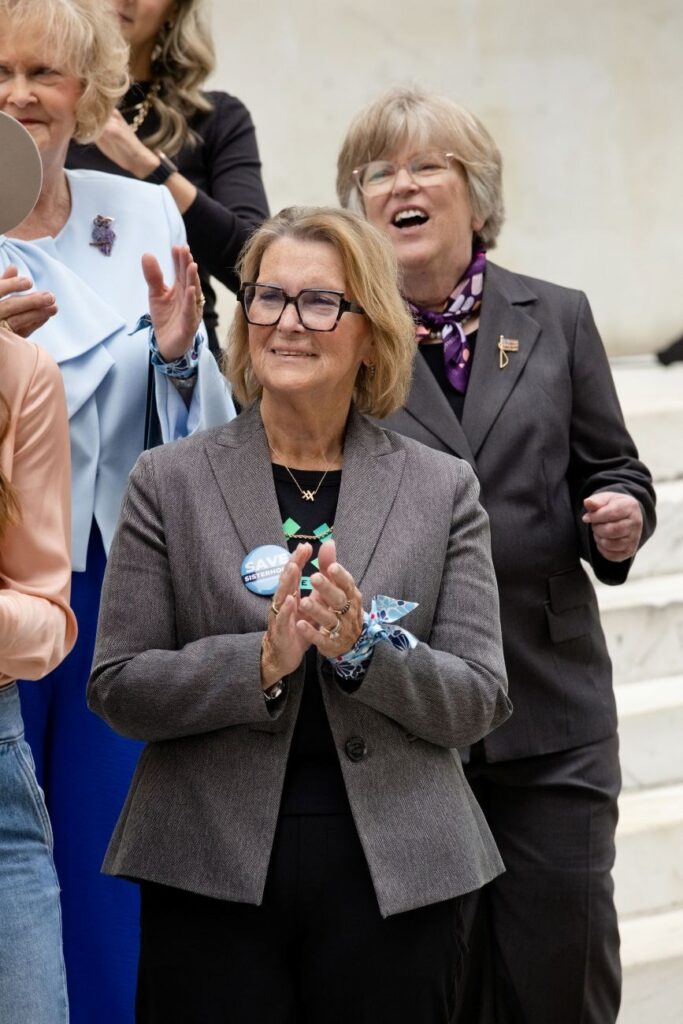
The national leadership had a responsibility to preserve the female-only legacy of Kappa and the safety of its members. Instead, it punished the very women that the sorority was founded for.
We both love the Kappa Kappa Gamma sisterhood and organization, but if its leadership continues to destroy its female-only history, then the courts must hold the organization accountable. It’s our responsibility as alumni to ensure that the young women going to college and living in sorority houses are safe and receive the same opportunities we received in the sisterhood.
That’s why we are proud to stand with Coghan, Holtmeier, and Rutsch, who are living up to the true legacy of Kappa Kappa Gamma. It’s time for the courts to likewise recognize that legacy.